
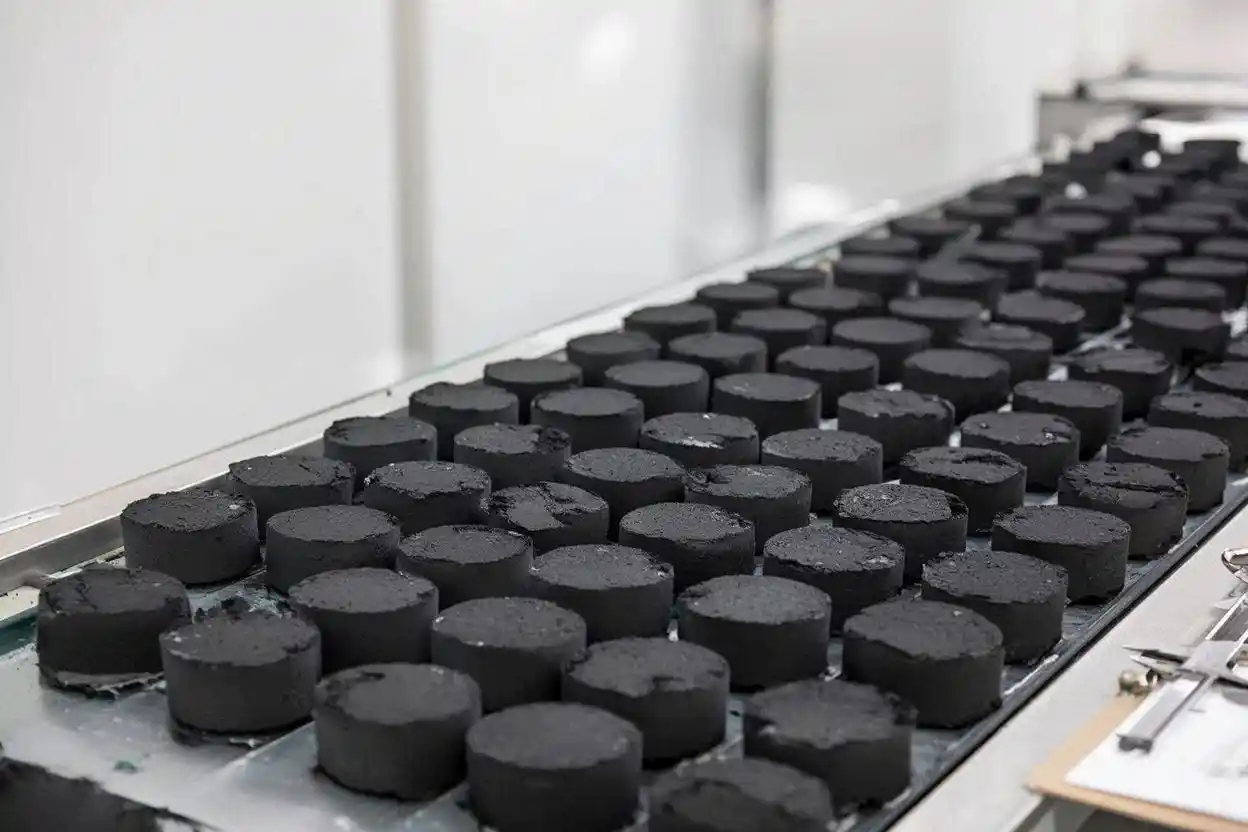
In the charcoal industry, quality is never accidental. Every superior product traces back to a disciplined manufacturing process governed by clear charcoal production standards. For buyers, business owners, and industry professionals, understanding these standards is the first step toward making smarter sourcing decisions.
Why Charcoal Production Standards Exist
Markets across Europe, the Middle East, and North America have grown increasingly selective about the charcoal they import. Buyers in these regions demand documentation, consistency, and traceability — not just marketing claims. Charcoal production standards give manufacturers a measurable framework to meet those expectations reliably.
Without clear standards, output quality varies from batch to batch. This inconsistency frustrates buyers, damages supplier reputations, and ultimately costs producers their market position. Therefore, adopting and maintaining recognized production benchmarks is both a quality decision and a business strategy.
Core Parameters in Charcoal Manufacturing
Reputable manufacturers build their processes around a set of critical quality parameters. Each one directly influences how the final product performs in real-world applications.
- Calorific value — High-quality charcoal targets a minimum of 7,000 kcal/kg, ensuring sufficient and sustained heat output for professional use.
- Ash content — Premium production keeps ash levels below 3%, minimizing residue and interruption during use.
- Moisture content — Maintaining moisture below 8% prevents ignition failure and ensures consistent burning from start to finish.
- Fixed carbon content — A fixed carbon level above 75% indicates a thorough carbonization process and strong burn endurance.
- Volatile matter — Keeping volatile matter low reduces smoke output and eliminates unwanted odors during combustion.
Together, these parameters form the backbone of any credible charcoal production standards framework that serious manufacturers follow.
The Carbonization Process and Its Impact
The carbonization stage is where raw material transforms into carbon-rich fuel. Producers heat coconut shells or wood in a low-oxygen environment, driving off moisture and volatile compounds while preserving the carbon structure.
Temperature control during this stage is critical. Inconsistent kiln temperatures produce uneven carbon density, which leads to variable burn performance across a single batch. Manufacturers who invest in precise temperature management consistently deliver more uniform and reliable products to their buyers.
Furthermore, the choice of raw material matters significantly. Coconut shell charcoal, for instance, naturally yields higher fixed carbon content compared to most wood-based alternatives, making it the preferred raw material among professional producers targeting export markets.
How Buyers Can Verify Production Standards
Knowing that a supplier follows proper charcoal production standards requires more than taking their word for it. Buyers should always request third-party laboratory test reports that document calorific value, ash content, moisture levels, and fixed carbon percentage.
Working with a certified shisha charcoal manufacturer that provides verifiable production data protects buyers from inconsistent supply and protects end users from substandard products. Certifications from recognized international bodies add another layer of assurance worth requesting before committing to a supplier.
For entrepreneurs and business owners who want to deepen their knowledge of production standards and industry practices, akademipengusaha.com provides a broad range of business and industry articles worth exploring.
Conclusion
Charcoal production standards form the foundation of every trustworthy product in this industry. They protect buyers from inconsistency, help manufacturers compete in demanding export markets, and ultimately determine the experience of the end user. By understanding the core parameters, the importance of the carbonization process, and the right way to verify supplier credentials, both buyers and producers can build more reliable and profitable relationships. In an industry where quality speaks louder than any marketing claim, production standards are the language that serious players share.
