
Charcoal Briquette Heat Guide: Everything You Need to Know
Charcoal briquettes have become an essential fuel source for outdoor cooking, grilling, and heating. Whether you’re a BBQ enthusiast or just looking for an efficient heating solution, understanding how to maximize the heat potential of charcoal briquettes is crucial. This comprehensive guide will walk you through everything you need to know about charcoal briquette heat, ensuring you get the best results for your needs.
What Are Charcoal Briquettes?
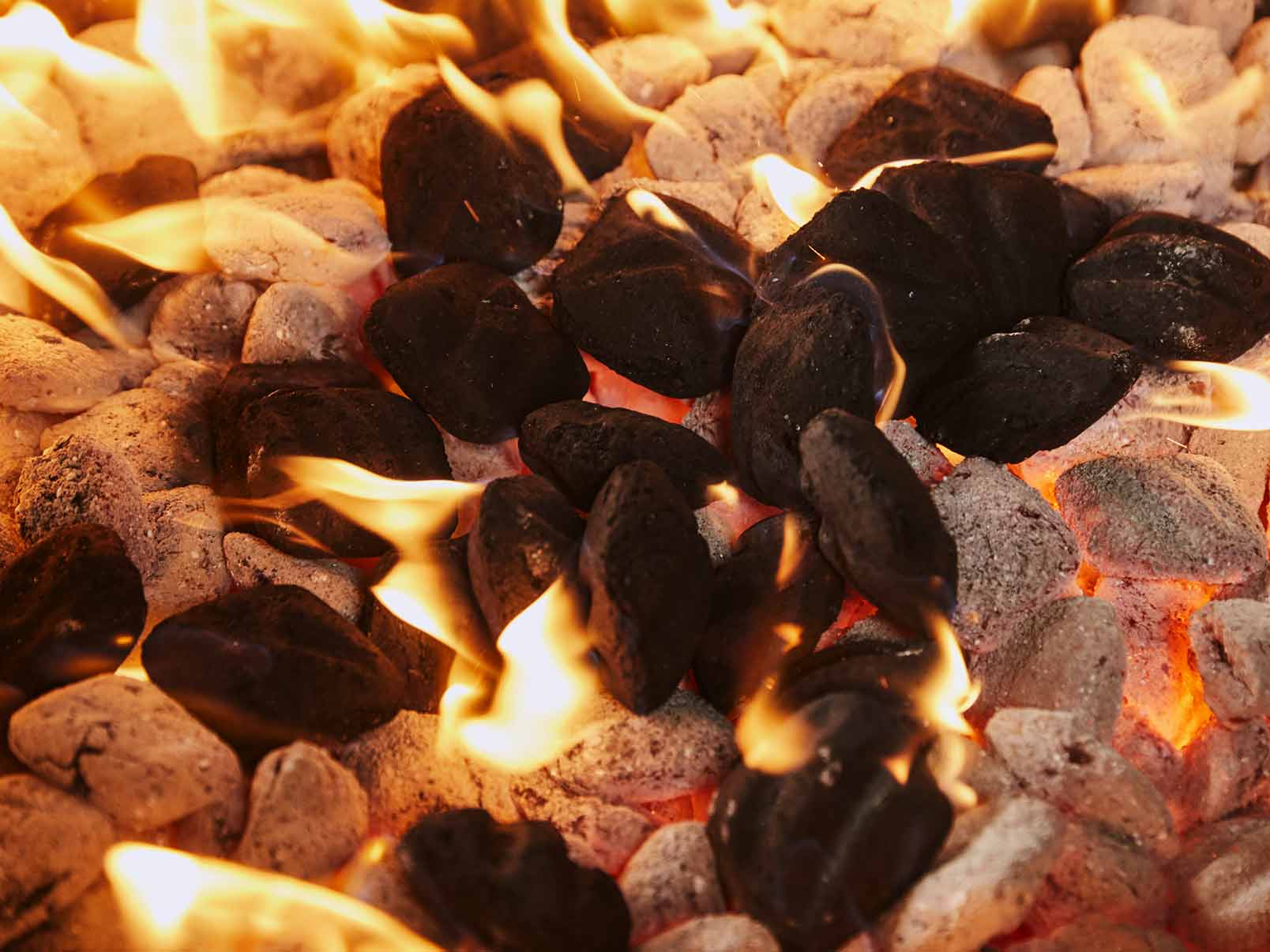
Charcoal briquettes are compacted blocks of coal dust, sawdust, and other carbonaceous materials. They are engineered to provide consistent heat, making them ideal for cooking and heating. Unlike lump charcoal, briquettes burn longer and more evenly, which makes them a popular choice for both professionals and casual users. Charcoal briquette heat is consistent and reliable, making it the preferred choice for many.
Why Choose Charcoal Briquettes for Heat?
Charcoal briquettes offer several advantages:
- Long Burn Time: Briquettes are designed to burn steadily, providing consistent heat over an extended period.
- Affordable: Compared to other fuel sources, briquettes are cost-effective and widely available.
- Controlled Heat: Their uniform size and composition allow for predictable heat output, essential for cooking delicate foods or maintaining room temperatures.
How to Optimize Heat with Charcoal Briquettes
- Choose the Right Briquettes Not all briquettes are created equal. High-quality briquettes are made with minimal fillers, ensuring cleaner combustion and higher heat output. Look for briquettes labeled as “premium” or “natural” for the best performance.
- Proper Arrangement The way you arrange your briquettes affects heat distribution. For grilling, the two main configurations are:
- Direct Heat: Spread briquettes evenly across the grill base for high, intense heat.
- Indirect Heat: Place briquettes on one side of the grill for slow cooking or smoking.
- Lighting Techniques Use a chimney starter to ignite your briquettes evenly. Avoid lighter fluid, as it can impart unpleasant flavors to your food and harm the environment. Instead, use natural fire starters or crumpled newspaper.
- Temperature Control To maintain the desired heat level, control airflow using the grill vents. More oxygen will increase the heat, while limiting airflow will reduce it. Adding or removing briquettes as needed can also help adjust the temperature.
- Add Wood Chips for Flavor For cooking, enhance the flavor by adding wood chips like hickory, mesquite, or applewood. Soak the chips in water for 30 minutes before placing them on the hot briquettes.
Understanding Charcoal Briquette Heat Output
On average, a single charcoal briquette produces 7,000 to 8,000 BTUs (British Thermal Units) of heat. However, the total heat output depends on the number of briquettes used and their quality. A typical grill session requires about 20-30 briquettes, providing sufficient heat for most cooking tasks. The consistent charcoal briquette heat ensures that your food cooks evenly every time.
For heating purposes, you can use briquettes in a brazier or indoor stove designed for charcoal. Always ensure proper ventilation to avoid carbon monoxide buildup.
Safety Tips When Using Charcoal Briquettes
- Ventilation: Always use charcoal in well-ventilated areas to prevent carbon monoxide poisoning.
- Extinguishing Briquettes: After use, extinguish the briquettes completely by closing the vents or dousing them with water. Dispose of the ashes responsibly.
- Storage: Keep briquettes in a dry place to prevent them from absorbing moisture, which can affect their performance.
Sustainable Choices
As environmental concerns grow, many manufacturers offer eco-friendly briquettes made from renewable materials like coconut shells. These briquettes produce less smoke and ash while delivering excellent heat performance. Opting for sustainable charcoal briquette heat options can help reduce your environmental impact.
Conclusion
Charcoal briquettes are a versatile and reliable source of heat for various applications. By following this heat guide, you can achieve optimal results whether you’re grilling, smoking, or heating your space. Always prioritize quality, safety, and sustainability to make the most of your charcoal briquettes.
If you found this guide helpful, share it with your friends and fellow enthusiasts. Happy grilling!
